
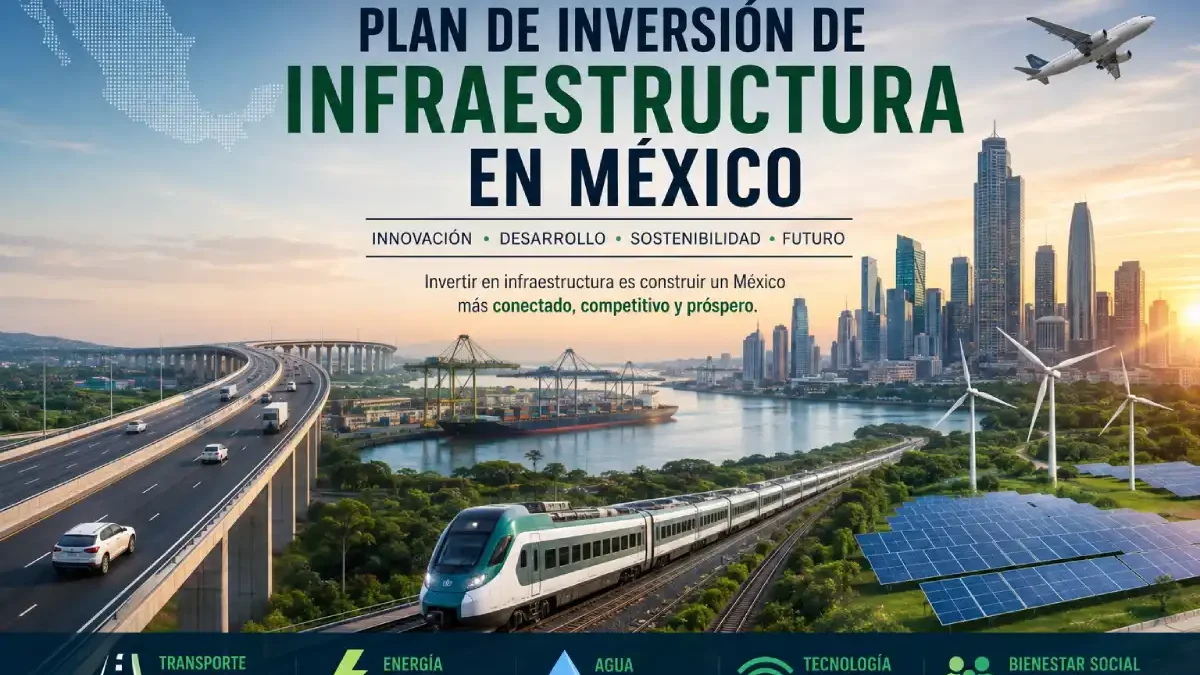

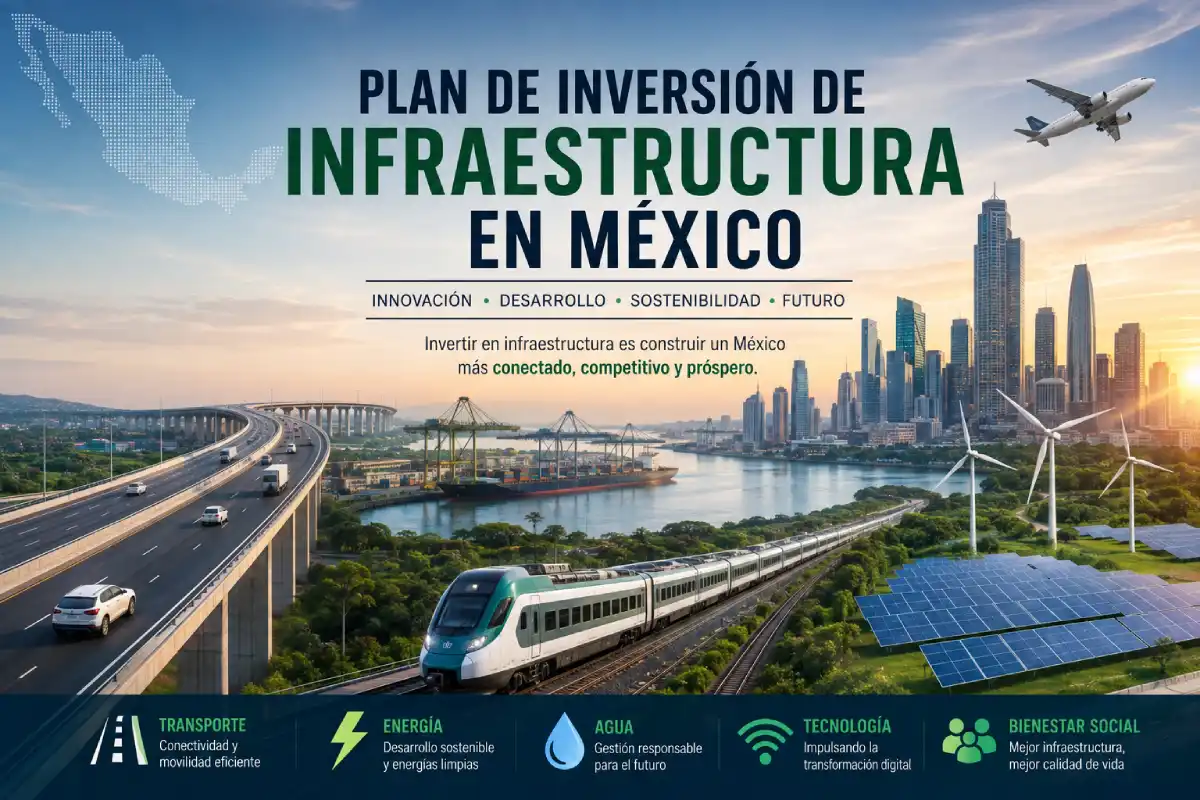
Infrastructure is arguably one of the pillars of a country’s economy. This includes road, rail, air and sea links, as well as energy and water systems, and communications networks and facilities. Increasingly, Mexico is investing and planning to enhance its infrastructure in a bid to spur industrial growth, attract more foreign investment and solidify its status as one of the world’s major manufacturing and transit countries.
The plan called the “Investment plan for infrastructure,” in Mexico, sets a long-term program in to achieve the upgrading and renovation of public services, connectivity of road, rail, air and sea transportation routes, energize the infrastructure, and the development of the urban space.
Projects under the plan not only generate employment during their construction but also offer lasting advantages in transport cost savings, thereby improving product competitiveness and regional development. In this Guide, the plan will guide you what the investment plan for infrastructure is in Mexico, why it is important, where the key areas, its impact on the economy, how it is being funded, and what obstacles there are and future perspectives.
Table of Contents
What Is an Infrastructure Investment Plan?
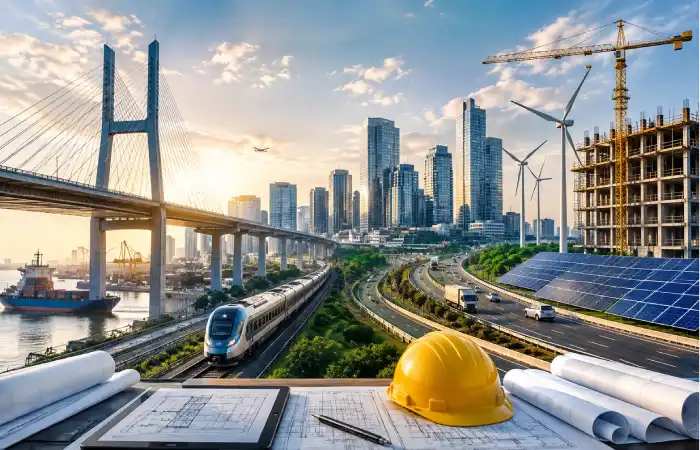
An infrastructure investment plan refers to a strategic blueprint developed by a government, working with or involving private sector partners, that outlines its long-term public infrastructure goals. It prioritises investment and identifies actions, such as funding, construction, upgrades or upkeep of major public facilities or systems in a range of areas including:
Infrastructure investments typically include projects such as:
- Highways and expressways
- Bridges
- Airports
- Seaports
- Railways
- Hospitals
- Schools
- Water treatment facilities
- Power plants
- Telecommunications networks
The primary objective is to improve economic productivity while enhancing citizens’ quality of life.
Why Infrastructure Is Important for Mexico
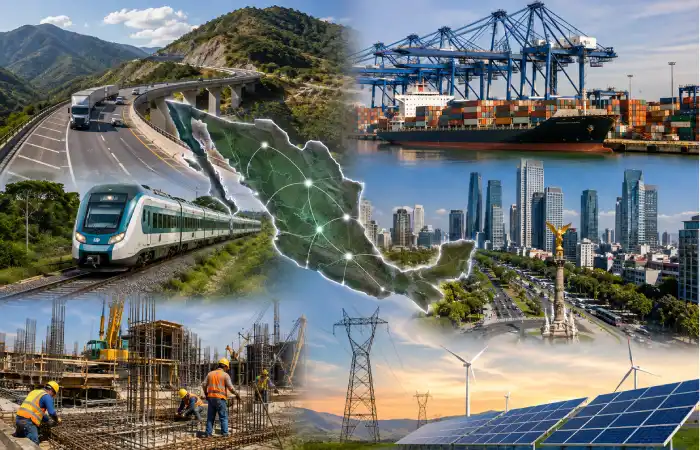
Mexico serves as a hub connecting the Americas, and with its border on one of the world’s busiest trade routes for goods moving into the US, infrastructure is key. Mexico’s logistics and trade activities – which include logistics, export, manufacturing, and tourism sectors – often depend on reliable transportation systems.
Well-developed infrastructure helps Mexico by:
- Reducing transportation costs
- Improving supply chain efficiency
- Encouraging domestic and foreign investment
- Supporting industrial expansion
- Creating employment opportunities
- Improving regional connectivity
- Increasing international competitiveness
Economic stagnation is possible where public investment is allowed to languish, especially with the increased need for more space for roads, facilities or additional transportation routes.
Objectives of Mexico’s Infrastructure Investment Plan
Mexico’s infrastructure strategy focuses on several long-term goals.
Its primary objectives include:
- Modernizing existing infrastructure
- Building new transportation networks
- Expanding energy capacity
- Improving water management systems
- Increasing digital connectivity
- Supporting sustainable urban development
- Attracting private investment
- Promoting balanced regional growth
- Enhancing trade competitiveness
These objectives contribute to stronger economic resilience and improved living standards.
Key Sectors Included in the Infrastructure Investment Plan
Transportation Infrastructure
Transportation is still one of the main investment focus areas in Mexico.
Major projects include:
- Federal highways
- Toll roads
- Railway modernization
- Urban transit systems
- Airports
- Cargo terminals
- Logistics centers
- Maritime ports
Streamline goods in movement at a decreased price in transportation time and costs. Goods could reach and be transported within country borders, and globally more effectively, supporting worldwide trade.
Energy Infrastructure
Reliable energy infrastructure is essential for industrial development and economic growth.
Investments focus on:
- Electricity generation
- Renewable energy projects
- Transmission lines
- Natural gas pipelines
- Oil and refinery modernization
- Energy storage systems
An effective energy network allows businesses to become more productive, ensuring that our economy continues to grow far into the future.
Water Infrastructure
Water management is increasingly important due to population growth and climate challenges.
Infrastructure projects include:
- Dams
- Water treatment plants
- Drinking water systems
- Irrigation networks
- Flood prevention projects
- Wastewater management
Modern water infrastructure improves public health and supports agriculture and industry.
Telecommunications Infrastructure
The digital economy depends on reliable communication networks.
Key investments include:
- Fiber-optic networks
- Mobile communication towers
- Broadband expansion
- Data centers
- Rural internet connectivity
- Smart communication systems
Improved digital infrastructure supports businesses, education, healthcare, and innovation.
Social Infrastructure
Infrastructure investment also includes public services that improve quality of life.
Examples include:
- Hospitals
- Medical centers
- Schools
- Universities
- Research institutions
- Community facilities
These investments strengthen human capital and promote long-term economic development.
Components of an Infrastructure Investment Plan
Successful infrastructure projects typically follow several stages.
| Stage | Purpose |
| Planning | Identify national and regional infrastructure needs |
| Feasibility Studies | Assess technical, financial, and environmental viability |
| Financing | Secure funding from public and private sources |
| Design | Develop engineering and architectural plans |
| Construction | Build infrastructure projects |
| Monitoring | Ensure quality, safety, and regulatory compliance |
| Operation | Put infrastructure into public use |
| Maintenance | Preserve infrastructure performance and lifespan |
Economic Benefits of Infrastructure Investment
Infrastructure investment creates both immediate and long-term economic value.
Job Creation
Construction projects generate thousands of direct and indirect jobs.
Employment opportunities extend beyond construction into manufacturing, transportation, engineering, and maintenance.
Increased Productivity
Modern infrastructure enables businesses to move goods more efficiently, reducing delays and operating costs.
Higher productivity contributes directly to stronger economic performance.
Foreign Direct Investment (FDI)
International investors prefer countries with reliable infrastructure.
Modern transportation, energy systems, and digital connectivity make Mexico more attractive for global manufacturers and multinational companies.
Stronger International Trade
Mexico’s economy relies heavily on exports.
Efficient infrastructure supports:
- Faster shipping
- Lower logistics costs
- Increased export competitiveness
- Better access to global markets
Regional Economic Development
They connect poorly endowed regions with significant industrial regions.
Improved connectivity promotes:
- Tourism
- Agriculture
- Manufacturing
- Local businesses
- Real estate development
Public and Private Sector Participation
In infrastructure, there is typically a mix of government money and private money.
Public Investment
Projects supported by government funding are ones where there is clearly a public benefit, such as:
- Roads
- Schools
- Hospitals
- Water systems
Essential infrastructure in every community is made possible by government investment.
Private Investment
Private companies contribute through:
- Public-Private Partnerships (PPPs)
- Concessions
- Infrastructure funds
- Long-term investment agreements
Involvement of the private sector has proved more efficient in faster delivery of the projects and alleviates pressure on public purse.
Comparison of Major Infrastructure Sectors
| Infrastructure Sector | Main Benefits | Economic Impact | Primary Beneficiaries |
| Highways | Faster transportation | High | Businesses and commuters |
| Railways | Efficient freight movement | Very High | Manufacturing and logistics |
| Airports | Tourism and trade | High | Travelers and exporters |
| Seaports | International shipping | Very High | Global trade industries |
| Energy | Reliable electricity | Very High | Industry and households |
| Water Systems | Public health and agriculture | High | Communities and businesses |
| Telecommunications | Digital economy | High | Businesses, schools, and consumers |
| Healthcare Infrastructure | Better healthcare access | Medium-High | Entire population |
| Educational Facilities | Workforce development | High | Students and employers |
Challenges Facing Infrastructure Development
Despite its many advantages, infrastructure investment also faces several challenges.
Budget Constraints
Large infrastructure projects require billions of dollars in financing.
Governments must balance investment with responsible fiscal management.
Regulatory Complexity
Permits, environmental approvals, and legal procedures can delay project implementation.
Streamlining regulations can improve efficiency without compromising safety.
Environmental Sustainability
Modern infrastructure must minimize environmental impacts.
Important considerations include:
- Carbon emissions
- Biodiversity protection
- Water conservation
- Sustainable construction materials
- Renewable energy integration
An issue whose awareness has become to be more crucial in planning infrastructure.
Maintenance Requirements
Building infrastructure is only the beginning.
Regular maintenance helps:
- Extend project lifespan
- Improve safety
- Reduce long-term repair costs
- Maintain operational efficiency
Ignoring maintenance often leads to higher expenses in the future.
Infrastructure and Sustainable Development
Sustainability has become a major focus of infrastructure investment worldwide.
Mexico is increasingly incorporating environmentally friendly practices such as:
- Renewable energy integration
- Green building standards
- Smart transportation systems
- Electric mobility
- Energy-efficient construction
- Water conservation technologies
Sustainable infrastructure also promotes long-run growth as environmental assets are maintained and preserved.
Social Impact of Infrastructure Investment
Infrastructure directly improves people’s daily lives.
Major social benefits include:
- Better healthcare access
- Improved educational opportunities
- Reduced travel times
- Enhanced public safety
- Greater employment opportunities
- Increased rural connectivity
- Improved quality of life
These improvements contribute to stronger and more inclusive communities.
Technology and Innovation in Infrastructure
Modern infrastructure increasingly relies on advanced technologies.
Examples include:
- Artificial Intelligence (AI)
- Building Information Modelling (BIM)
- Internet of Things (IoT)
- Smart sensors
- Drone inspections
- Geographic Information Systems (GIS)
- Big Data analytics
These systems can save significant time for planners and contractors alike, resulting in more structured and quality built projects as well as smarter maintenance and project overall.
Future Outlook for Infrastructure in Mexico
Mexico will continue to face increasing need for infrastructure development, with the growth of various industries and the increase in population concentrated in urban areas.
Future priorities include:
- Railway expansion
- Smart cities
- Green energy infrastructure
- Electric vehicle charging networks
- Logistics corridors
- Digital infrastructure
- Sustainable urban transportation
- Climate-resilient public works
Furthermore, the growth of nearshoring has great opportunities for Mexico. Given that globally industries will reshore production to proximity markets in the North American region, there should be an important improvement of the infrastructure quality.
Recommendations for Successful Infrastructure Development
To maximize the benefits of infrastructure investment, policymakers and investors should focus on:
- Developing long-term strategic plans
- Encouraging transparent project management
- Expanding Public-Private Partnerships
- Prioritizing sustainability
- Investing in preventive maintenance
- Leveraging digital technologies
- Strengthening environmental compliance
- Continuously evaluating economic and social impacts
These practices can help ensure infrastructure investments deliver lasting value for future generations.
Final Thought
The INFRA Plan in Mexico makes the country’s economy healthier, more competitive and improves the living conditions of Mexicans. Investments in transportation, energy, water, communication, education and health infrastructure offer the basis for a healthy economy for decades. Mexico’s role in manufacturing and global trade, for instance, will strengthen thanks to its competitive infrastructure assets, made sustainable by a combination of public and private investment, technology and smart practice.
Also Read: https://www.technologybeam.com