

Today’s home uses power almost exclusively. Our kitchen appliances rely on a safe electrical system, homes that have remote workplaces depend on it for computers, lighting and equipment and, of course, homes use it to run car chargers. So electrical systems, which in the past you may only notice when something goes wrong, is actually the backbone of life at home these days.
The blog at SouthridgeElectrical.com provides readers (property owners, apartment dwellers, business owners) with insights into electrical systems, suggestions for improving energy efficiency and advice that can help anyone from renters living in new constructions and houses that haven’t been wired for the current level of use; homeowners planning a remodel; landlords; or even simple renters trying to shave their energy bills every month down.
The basic knowledge and tips about electricity you’ll find on SouthridgeElectrical.com help save both time and money while providing vital insight into how electricity works in your world.
In this comprehensive introduction, we look at essential aspects of electrical services, maintenance and safety: electric wiring, lighting tips, energy-saving devices, how a modern power grid looks, home addition wiring, installing electric car chargers in residences and commercial facilities and the many reasons it’s worthwhile to hire a professional electrician.
Table of Contents
What Is the SouthridgeElectrical.com Blog?
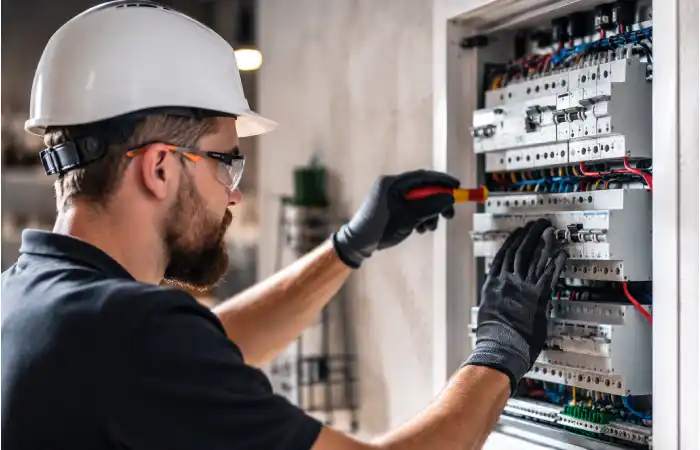
Electrical Education from SouthridgeElectrical.com. The electrical blog hosted on our Website, SouthridgeElectrical.com, can make you feel more knowledgeable about your electrical services by focusing on educating residents about wiring maintenance and electrical safety tips, home improvement advice with a focus on your home’s wiring, and new electrical technology innovations and safety standards that homeowners might be interested in.
Its content typically covers topics such as:
- Residential electrical repairs
- Commercial electrical services
- Electrical safety inspections
- Circuit breaker troubleshooting
- Smart home installations
- Energy-saving solutions
- Electrical code compliance
- Lighting upgrades
- Surge protection
- Generator installation
The primary goal is to educate readers while helping them recognize when professional electrical assistance is necessary.
Why Electrical Knowledge Matters
Almost no one ever really looks at their wires inside the house. Being so rarely exposed and completely inconspicuous, the complexity of a house’s wiring system normally only gets noticed when it isn’t functioning well.
Understanding basic electrical concepts offers several benefits:
- Prevents avoidable hazards
- Reduces repair costs
- Improves home efficiency
- Helps identify warning signs early
- Extends equipment lifespan
- Supports informed renovation decisions
Even a small amount of electrical knowledge can significantly reduce safety risks.
Understanding Residential Electrical Systems
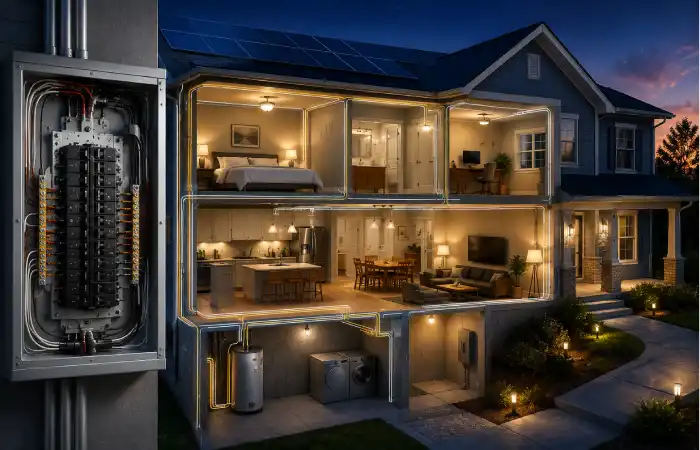
Home Electrical System: This consists of the entire assembly by which electric current flows through a house from the power supplier into the wiring inside that passes through a distribution panel, wires, sockets, buttons, and fixtures.
Major components include:
- Main electrical panel
- Circuit breakers
- Wiring
- Grounding system
- Electrical outlets
- Light switches
- Lighting fixtures
- Dedicated appliance circuits
Each of these elements all combine to ensure that you and the whole house has a safely supplied electricity for the rest of your lives and beyond.
How Electricity Flows Through Your Home
When you know where the electricity has traveled, fixing the problem is much simpler.
The process typically follows these steps:
- Electricity enters from the utility company.
- It passes through the electrical meter.
- Power reaches the main breaker panel.
- Circuit breakers distribute electricity.
- Individual circuits power outlets and lighting.
- Electricity returns through neutral wiring.
This system has to ensure that power is transmitted efficiently and safe; without fear of short.
Common Residential Electrical Problems
Many problems with wiring and electrics are suffered by homeowners.
Some common problems include:
- Frequently tripping breakers
- Flickering lights
- Dead outlets
- Warm wall switches
- Burning odors
- Buzzing electrical panels
- Loose wiring
- Overloaded circuits
Overlooking any of these signs will make equipment or electrical fire even more certain.
Warning Signs You Should Never Ignore
Electrical problems may sometimes be giving advance warnings just prior to a system failure.
These include:
- Burning smell near outlets
- Hot electrical panels
- Sparks while plugging devices
- Dimming lights
- Repeated breaker trips
- Electrical shocks
- Melted outlet covers
- Visible damaged wiring
These warning signals should promptly result in your system being inspected by a qualified professional electrician.
Importance of Electrical Safety
Electrical Safety refers to the proper practices and methods that prevent electrocution, fire, damage of equipment and personal injuries when working on or with any electrical equipment.
Safe practices aren’t just electrician tasks. Anyone should and do learn to safely use and install any equipment involving electricity.
Examples include:
- Never overload outlets.
- Replace damaged cords immediately.
- Keep water away from electricity.
- Install GFCI outlets where required.
- Avoid DIY panel repairs.
- Schedule routine inspections.
Small safety habits often prevent major accidents.
Comparison Table: DIY Repairs vs Professional Electrical Service
| Feature | DIY Electrical Work | Professional Electrician |
| Safety | Higher risk | High safety standards |
| Building Code Compliance | Often uncertain | Fully compliant |
| Proper Diagnosis | Limited | Comprehensive |
| Specialized Tools | Usually unavailable | Professional equipment |
| Long-Term Reliability | May vary | High reliability |
| Insurance Protection | May affect coverage | Often protected |
| Warranty | Rare | Frequently available |
| Complex Installations | Difficult | Efficient and safe |
Help comes particularly in useful for board work, rewiring or even work with a code upgrading.
The Role of Circuit Breakers
Circuit breakers are the safety guardians of every electrical system.
When too much current goes through a circuit, a breaker shuts off the flow of electricity.
Its primary purpose is to prevent:
- Electrical fires
- Wiring damage
- Appliance damage
- Electrical overloads
Most of the time, a blown breaker is saving your house.
Why Breakers Keep Tripping
Repeated breaker trips often indicate an underlying problem.
Possible causes include:
- Too many appliances on one circuit
- Short circuits
- Ground faults
- Aging breakers
- Damaged wiring
- Faulty appliances
Rather than trip and reset that breaker over and over again, find the problem
Modern Electrical Upgrades Worth Considering
Technology has significantly changed residential electrical systems.
Popular upgrades include:
Smart Switches
These allow remote lighting control using smartphones or voice assistants.
Benefits
- Energy savings
- Convenience
- Automation
- Scheduling
LED Lighting
Energy reduction with LED lighting. LEDs use a great deal less electricity than conventional bulbs, which require an incandescent fixture for powering.
Advantages include:
- Lower energy costs
- Longer lifespan
- Less heat generation
- Better brightness options
Whole-Home Surge Protection
Power surges occur more often than many homeowners realize.
A whole-home surge protector helps safeguard:
- TVs
- Computers
- Refrigerators
- HVAC systems
- Smart appliances
- Home automation devices
EV Charger Installation
Electric vehicle ownership continues growing worldwide.
Installing a Level 2 home charger offers:
- Faster charging
- Greater convenience
- Better efficiency
- Increased property value
Energy Efficiency and Electrical Systems
Efficiency simply uses fewer kilowatt hours for a similar level of output. Making simple, beneficial changes to your electrical system will result in savings on your utility bill.
Examples include:
- LED lighting
- Smart thermostats
- Efficient appliances
- Motion sensors
- Occupancy lighting
- Programmable timers
Energy-efficient homes also place less strain on electrical systems.
Why Electrical Inspections Matter
Many homeowners wait until problems appear before calling an electrician.
Routine inspections offer a proactive approach.
They help identify:
- Loose wiring
- Aging panels
- Hidden overheating
- Code violations
- Grounding issues
- Moisture damage
- Improper installations
Preventive maintenance often costs far less than emergency repairs.
Understanding Electrical Code Compliance
Electrical codes are safety regulations set up in order to obtain safe electrical installation.
These regulations protect:
- Occupants
- Property
- Electrical equipment
- Emergency responders
Following electrical codes reduces long-term safety risks while supporting insurance and resale requirements.
Residential vs Commercial Electrical Services
Although both involve electricity, residential and commercial work differs considerably.
| Feature | Residential | Commercial |
| Voltage Requirements | Lower | Higher |
| Wiring Complexity | Moderate | High |
| Equipment | Household appliances | Industrial systems |
| Operating Hours | Flexible | Often continuous |
| Panel Size | Smaller | Larger |
| Maintenance Frequency | Periodic | Regular |
Commercial environments generally require larger electrical infrastructure and more frequent maintenance.
Smart Homes and the Future of Electrical Services
Today’s electrical systems support much more than lights and outlets.
Modern homes increasingly integrate:
- Smart lighting
- Voice-controlled devices
- Home security systems
- Automated blinds
- Smart thermostats
- Energy monitoring
- Wi-Fi-enabled switches
- Connected appliances
Electricians now play an important role in installing and maintaining these technologies safely.
When Should You Call an Electrician?
It is advisable to leave certain electrical tasks to the professionals for safety reasons.
Examples include:
- Electrical panel replacement
- Whole-home rewiring
- New circuit installation
- Generator installation
- Ceiling fan wiring
- EV charger installation
- Outdoor electrical systems
- Commercial electrical work
These tasks can be completed easily by professional electricians who know how to handle it along with the correct tools and expertise.
Preventive Electrical Maintenance Tips
Preventive maintenance reduces the likelihood of unexpected electrical failures.
Simple habits include:
- Test GFCI outlets monthly.
- Avoid using damaged extension cords.
- Replace loose outlets.
- Keep electrical panels accessible.
- Label circuit breakers clearly.
- Schedule regular inspections.
- Avoid overloading power strips.
- Upgrade aging electrical panels.
These practices improve both safety and system longevity.
Benefits of Professional Electrical Services
Hiring experienced electricians provides several long-term advantages.
Improved Safety
Proper installation significantly reduces electrical hazards.
Better Energy Efficiency
Professionals can recommend upgrades that reduce electricity consumption.
Reliable Performance
Quality workmanship helps prevent recurring electrical problems.
Code Compliance
Licensed electricians understand current safety standards and local regulations.
Long-Term Cost Savings
Well-executed repairs reduce future maintenance expenses.
Common Myths About Electrical Systems
Many misconceptions continue to circulate among homeowners.
Myth 1: Flickering Lights Are Normal
Reality: They may indicate loose wiring or overloaded circuits.
Myth 2: Extension Cords Can Replace Permanent Wiring
Reality: Extension cords are designed only for temporary use.
Myth 3: Breakers Trip Because They’re Defective
Reality: Breakers usually trip because they are preventing dangerous overloads.
Myth 4: DIY Electrical Repairs Always Save Money
Reality: Incorrect repairs often lead to higher repair costs and safety hazards.
Choosing a Reliable Electrical Service Provider
Selecting the right electrician involves more than comparing prices.
Consider factors such as:
- Licensing
- Insurance
- Industry experience
- Customer reviews
- Transparent estimates
- Emergency service availability
- Warranty support
- Communication quality
A reputable electrical contractor prioritises both workmanship and customer safety.
The Growing Importance of Sustainable Electrical Solutions
Sustainability continues shaping the electrical industry.
Popular environmentally friendly solutions include:
- Solar-ready electrical systems
- Smart energy monitoring
- High-efficiency lighting
- Battery storage integration
- Electric vehicle charging
- Occupancy sensors
- Energy-efficient appliances
These technologies reduce electricity consumption while supporting long-term environmental goals.
Frequently Asked Questions
Is it safe to replace an outlet yourself?
Easy swaps; however, Improper connections could result in safety problems. If you are not sure then you should consult a licensed electrician.
How often should a home electrical inspection be performed?
Many experts recommend inspections every few years, especially for older homes, after major renovations, or before purchasing a property.
Why do lights dim when large appliances start?
This often indicates a temporary voltage drop. Persistent dimming should be evaluated to determine whether the electrical system requires upgrades.
Are surge protectors really necessary?
Yes. Power surges from storms, utility malfunctions and major appliances turning off and on can ruin delicate electronics.
When should an electrical panel be upgraded?
Adding large appliances, car chargers, remodel’s, or constant breaker trips often leads to suggestions for upgraded electrical panels.
Final Thoughts
The SouthridgeElectrical.com blog emphasizes the need to be more aware of the electrical systems that provide power to our homes and businesses. Although much of the electrical wiring in homes is located behind walls, electrical components are essential for comfort, functionality and safety throughout the entire day. Homeowners can provide safer, more dependable homes by learning electrical safety basics, learning the warning signs, using energy-saving appliances and upgrades, and contacting an electrician for most electrical work.
Also Read: https://www.technologybeam.com